


-

Add: HeBei ShengShi HongBang Cellulose Technology CO.,LTD.
-

Email
13180486930@163.com -

CONTACT US
+86 13180486930




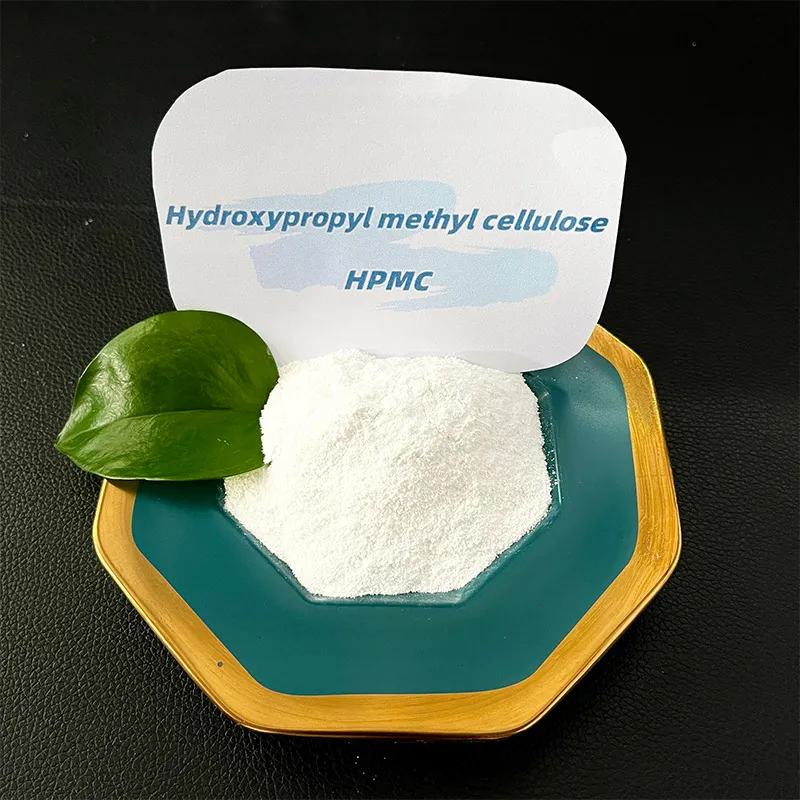
Hydroxymethyl cellulose , often encountered in its more prevalent derivative form hydroxypropyl methylcellulose , represents a cornerstone of modern construction chemistry. Derived from natural cellulose through etherification, this non-ionic, water-soluble polymer exists as a white, odorless, and tasteless powder. Its unique properties – exceptional water retention, thickening capability, adhesion enhancement, and workability modification – make it indispensable in numerous building materials. While often used interchangeably in construction contexts, hpmc cellulose typically offers superior performance in critical areas like enzyme resistance, temperature stability, and consistent viscosity development compared to basic hydroxymethyl cellulose . Understanding the fundamental chemistry and rheology of these cellulose ethers is paramount for optimizing their use in demanding construction environments, where controlling water dynamics and paste consistency directly impacts final product quality and application efficiency. Core Functions of hpmc Cellulose The primary value of hydroxypropyl methylcellulose lies in its multifaceted functionality within cementitious and gypsum-based systems: Unmatched Water Retention: This is arguably HPMC cellulose 's most critical attribute. By significantly slowing the rate of water loss to the substrate and atmosphere, it ensures sufficient water remains available for the complete hydration of cement or setting of gypsum. This prevents premature drying, minimizes plastic shrinkage cracking, enhances ultimate strength development, and improves bond strength to substrates. Poor water retention leads to weak, dusty surfaces and poor adhesion. Rheology Modification & Workability Enhancement: hpmc cellulose acts as a highly efficient thickener and rheology modifier. It imparts desirable consistency to mortars and plasters, improving sag resistance on vertical surfaces, reducing splattering during application, and enhancing toolability. The viscosity grade of the hydroxypropyl methylcellulose selected directly influences the final mix rheology. Air Entrainment: The incorporation process of hpmc cellulose often introduces a controlled amount of minute, stable air bubbles into the mix. This micro-air improves workability further, enhances cohesion, reduces density, and can improve freeze-thaw resistance in exterior applications. However, excessive air entrainment must be avoided as it compromises strength. Adhesion Promotion: hpmc cellulose films formed at interfaces enhance the adhesive bond between the applied material and the substrate, as well as improving cohesion within the material itself. Retardation: By forming a film around cement particles and reducing water availability, hpmc cellulose can slightly retard the setting time, extending open time for application and adjustment, particularly crucial in tile adhesives and large renders. Optimizing Hydroxypropyl Methylcellulose Selection and Dosage Selecting the right hydroxypropyl methylcellulose grade and dosage is not arbitrary; it requires careful consideration of the specific application and desired performance profile: Viscosity Grade: hpmc cellulose is available in a wide range of viscosity grades. Lower viscosity grades are often used in self-leveling compounds or where high flow is needed. Medium viscosity is common for tile adhesives and standard renders. High viscosity grades provide excellent sag resistance in thick-bed mortars, plasters, and exterior insulation finishing systems base coats. Hydroxypropyl Substitution Ratio: The ratio of methyl to hydroxypropyl groups on the cellulose chain influences key properties. Higher methyl substitution generally improves water solubility. Higher hydroxypropyl substitution enhances thermal gelation temperature (critical for hot weather application) and improves enzyme resistance in cementitious systems. Most construction-grade hpmc cellulose balances these substitutions for optimal performance. Particle Size and Modification: Finer powders dissolve faster but may be dustier. Surface-treated hpmc cellulose powders offer delayed dissolution ("lump-free" mixing) and are highly preferred for dry-mix mortars added to mixers with water. FAQs about hpmc Cellulose What causes slow strength development in my HPMC-modified mortar? Slow strength gain is most commonly linked to excessive dosage of hydroxypropyl methylcellulose . While HPMC provides essential water retention and workability, overdosing significantly retards the hydration of cement by physically coating particles and limiting water access. Carefully review and reduce the hpmc cellulose dosage according to formulation guidelines and application needs. Ensure environmental conditions (especially low temperature) aren't the primary cause. Verify cement quality and freshness. Why is my hpmc cellulose render cracking shortly after application? Plastic shrinkage cracking in renders is primarily due to rapid water loss before the material gains sufficient strength. This indicates insufficient water retention capacity. Check that you are using an adequate type and dosage of hpmc cellulose , specifically chosen for its high water retention performance suitable for renders. Ensure the substrate wasn't overly absorbent and wasn't pre-wetted correctly. Applying in hot, dry, or windy conditions without adequate protection (sun/wind screens) will exacerbate this issue, even with good hydroxymethyl cellulose derivatives. How do I prevent lump formation when mixing hpmc cellulose ? Lumps occur when hpmc cellulose powder hydrates too quickly on the surface, trapping dry powder inside. The solution is twofold:Always pre-blend the dry hydroxypropyl methylcellulose powder thoroughly with the other dry ingredients (cement, sand, filler) before adding water. This dilutes it and prevents clumping. Crucially, use surface-treated (delayed solubility) hpmc cellulose grades. These are chemically modified to dissolve gradually, allowing time for dispersion before thickening occurs, virtually eliminating lumps even if added directly to water under agitation. Ensure adequate mixing energy and time. Can I use hpmc cellulose in hot weather? Yes, but job site practices are essential. Standard hydroxypropyl methylcellulose solutions thicken significantly and can even gel as temperature rises. For hot climates or summer application, specify hpmc cellulose grades engineered with a high thermal gelation temperature . These maintain viscosity stability and workability much better under heat. Additionally, store materials in the shade, use cool mixing water if possible, schedule work during cooler parts of the day, and protect applied materials from direct sun and wind to slow evaporation. Is hpmc cellulose compatible with other admixtures? Generally, hydroxypropyl methylcellulose exhibits good compatibility with most common construction admixtures like superplasticizers, air-entraining agents , retarders, and accelerators. However, interactions can occur. For instance, some superplasticizers might slightly reduce the viscosity imparted by hpmc cellulose . Some retarders might have synergistic or antagonistic effects. Air-entraining agents combined with hpmc cellulose can sometimes lead to higher than desired air contents. Always conduct small-scale compatibility tests when formulating with multiple admixtures. Add admixtures sequentially according to manufacturer recommendations, often adding hpmc cellulose early in the dry blend and liquid admixtures to the mix water. Mastering the use of hydroxymethyl cellulose and its advanced counterpart, hydroxypropyl methylcellulose , is fundamental to achieving high-performance, durable, and workable building materials. From the crucial water retention that safeguards against cracking and ensures full hydration, to the rheological control enabling smooth application and sag resistance, hpmc cellulose acts as a vital multifunctional modifier. Success hinges on selecting the appropriate grade and dosage for the specific application—whether it's a high-sag-resistance plaster, a highly retarded tile adhesive, or a fluid self-leveling compound. Adherence to proper mixing protocols, awareness of environmental conditions, and understanding substrate requirements are equally critical. By addressing common challenges through informed choices and practices, as highlighted in the FAQs, formulators and applicators alike can consistently leverage the unique properties of hpmc cellulose to produce superior construction results, enhancing both the efficiency of the building process and the longevity of the finished structure. The versatility and effectiveness of hydroxypropyl methylcellulose cement its indispensable role in modern, high-quality construction chemistry.
- 40000tons

Production
- 20+years

Experience
- 5000+㎡

Acreage

-
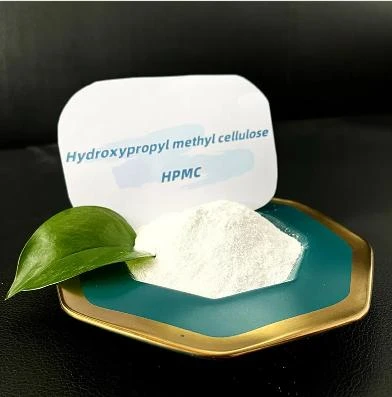
Provided by: HeBei ShengShi HongBang Cellulose Technology CO.,LTD. Address: HeBei ShengShi HongBang Cellulose Technology CO.,LTD, Room 1904, Building B, Wanda Office Building, JiaoYu Road, Xinji City, Hebei Province Phone: +86 13180486930 | Email: 13180486930@163.com | Mobile: +86 13180486930 Website: www.sshbhpmc.com Introduction to Hydroxypropyl Methyl Cellulose HPMC Hydroxypropyl Methyl Cellulose HPMC is a high-performance, non-ionic cellulose ether widely recognized for its versatility across multiple industries. Derived from natural cellulose via a strenuous chemical modification and purification process, HPMC possesses unique physical and chemical properties that grant it exceptional value in formulations demanding thickening, binding, water retention, film formation, and surface activity. Product Name: Hydroxypropyl Methyl Cellulose HPMC Nature: Non-ionic cellulose ether Origin: Produced by HeBei ShengShi HongBang Cellulose Technology CO.,LTD. Official Product Page: https://www.sshbhpmc.com/hydroxypropyl-methyl-cellulose-hpmc.html General Description: Hydroxypropyl methylcellulose (HPMC), a non-ionic cellulose ether, is derived from natural cellulose through a rigorous series of chemical processes. VIEW FULL PRODUCT SPECIFICATIONS Industry Trends and Market Dynamics for Hydroxypropyl Methyl Cellulose HPMC (2024 Update) The global Hydroxypropyl Methyl Cellulose HPMC market has experienced substantial growth, propelled by rising demand in construction, pharmaceutical, food, personal care, and ceramics industries. Rapid urbanization, environmentally conscious formulations, and advancements in dry-mix mortar technologies have driven adoption globally. Construction Segment: Major driver due to water retention, workability, and open time benefits in cementitious products ( Construction and Building Materials Journal ). Pharma/Food Grade Demand Rising: Clean-label trends boost HPMC as a vegetarian capsule shell, tablet binder, or food emulsifier ( See Pharmacology Review ). Enhanced R&D Focus: Research into surface-modified and multi-functional HPMC grades to support eco-friendly construction and greater dosage efficiency. Asia-Pacific remains the dominant region, attributed to vigorous infrastructure projects, while Europe sees strong uptake in green building materials and pharma applications. According to Grand View Research , the market is expected to maintain a >5% CAGR through 2029. Hydroxypropyl Methyl Cellulose HPMC Technical Parameters (Industry Standard) Parameter Standard Value / Range Unit Test Method Hydroxypropoxy content 4-12 % ASTM D2363 Methoxy content 19-30 % ASTM E222 Molecular Weight (MW) 20,000–1,200,000 Da NMR Viscosity (2% in water, 20°C) 5–100,000 mPa·s Brookfield pH of 1% solution 5.0–8.0 - ISO 6353 Moisture Content ≤5.0 % Oven Method Appearance White to Off-white powder - Visual Gel Temperature 58–90 °C GB/T 9776 Data Visualization: Hydroxypropyl Methyl Cellulose HPMC Specifications & Megatrends Below are interactive charts visualizing HPMC specification trends, parameter distributions, and application market shares (2021-2024): Main Application Scenarios for Hydroxypropyl Methyl Cellulose HPMC Tile Adhesives, Renders, Self-Leveling Compounds: Outstanding water retention, improved workability, and open time. Enhances bond strength and spreadability ( Journal of Thermal Analysis ). Dry-mortar, Grouts, and Plasters: Prevents rapid drying and cracking. Enables smooth application even in hot, dry climates. Pharmaceuticals: Used as tablet binder, film-coating agent, and capsule shell (vegetarian alternative to gelatin) – meets stringent pharmacopoeia standards. Food Industry: Emulsifier, stabilizer, and fat replacer. Supports vegetarian, allergy-friendly, and clean-label product development. Ceramics & Detergents: Functions as a binder and thickener, improving shape retention and powder dispersion. Personal Care & Cosmetics: Used in creams, lotions, shampoos for texture and stability ( Cosmetics Journal ). EEAT: Professionalism, Authoritativeness & Trust in HPMC Expertise: HeBei ShengShi HongBang Cellulose Technology CO.,LTD. boasts over 15 years of industry know-how. Our technical staff regularly collaborates with construction research bodies ( ResearchGate ). Authority: Our products comply with GB/T 9776, ASTM D2363, USP/NF and European Pharmacopeia standards, establishing trust and broad international acceptance. Trustworthiness: Hundreds of construction material and pharmaceutical partners worldwide select " Hydroxypropyl Methyl Cellulose HPMC " for its verifiable consistency and safe, traceable supply-chain. References: Please visit industry leading forums such as ScienceDirect HPMC Topic , Cellulose Ether Forum , and ResearchGate for further insights. FAQ: Professional Technical FAQ for Hydroxypropyl Methyl Cellulose HPMC Q1: What is the main material origin and structure of Hydroxypropyl Methyl Cellulose HPMC ? A: It is synthesized by the etherification of pure, natural cellulose (commonly from wood pulp or cotton linters) to introduce hydrophilic hydroxypropyl and methyl groups. This changes the solubility, thermal gelation, and viscosity properties, forming a linear, high molecular weight polymer with adjusted functional groups ( ACS Publication ). Q2: What viscosity grades can be supplied, and how are they selected for end-use? A: We offer Hydroxypropyl Methyl Cellulose HPMC in viscosity grades ranging from 3,000 to 100,000 mPa·s or more (at 2% aqueous, 20°C). Construction mortars typically use 20,000–40,000 mPa·s, while pharmaceuticals prefer low-medium viscosity. Grade selection is based on required water retention, film thickness, or binding power in formulation. Q3: What are the typical particle sizes and bulk densities of HPMC powders? A: Standard mesh size ranges from 80 to 100 mesh, with bulk density of 0.30-0.55 g/cm³. Customization is available for specialized dispersibility or mixing requirements ( Cellulose Ether Forum ). Q4: Is Hydroxypropyl Methyl Cellulose HPMC compliant with international regulatory and safety standards? A: Yes, HPMC meets GB, ASTM, USP/NF, BP/EP, E464, and JECFA safety criteria for use in foods, pharmaceuticals, and industrial applications. It is non-ionic, non-toxic, and hypoallergenic ( FAO JECFA ). Q5: What is the recommended installation and mixing standard for construction use? A: For dry-mix mortar, use 0.2-0.5% by weight, ensuring even dispersion prior to water addition. Follow EN 998-1 or ASTM C270 for mortar mixing; always pre-wet mixing equipment and blend gradually into dry components to avoid lump formation. Q6: How does film formation and thermal gelation enhance material performance? A: Thermal gelation between 58–90°C imparts superior sag resistance and stability to cementitious layers. Film-forming properties ensure encapsulation of aggregates, improved finish, and dust control for food/pharma-grade applications ( PubMed ). Q7: Are there options for “rapid-dissolving” or “surface-modified” Hydroxypropyl Methyl Cellulose HPMC ? A: Yes, we offer fast-dispersing, self-wetting, and surface-treated HPMC grades to optimize mixing efficiency, especially for industrial-scale mortar, detergent, or pharmaceutical production. These grades exhibit quick hydration and low lumping ( Cellulose Ether Forum ). Why Choose HeBei ShengShi HongBang Cellulose Technology CO.,LTD. as Your Hydroxypropyl Methyl Cellulose HPMC Supplier? Proven Expertise: Our advanced production lines, international R&D team, and vigorous QC protocols guarantee consistent batch quality. Broad Customization: Tailored viscosity, particle size, and surface-modified grades available for all industrial and pharma/food specifications. Global Delivery: Timely supply and logistic support worldwide, with technical support for every application field. Full Compliance: Adherence to REACH, RoHS, and other global environmental, health, and safety protocols. Contact Our Specialists for More on Hydroxypropyl Methyl Cellulose HPMC : Website: https://www.sshbhpmc.com | Tel: +86 13180486930 | Email: 13180486930@163.com Address: HeBei ShengShi HongBang Cellulose Technology CO.,LTDRoom 1904, Building B, Wanda Office Building, JiaoYu Road, Xinji City, Hebei Province References & Further Reading Construction and Building Materials Journal: https://www.sciencedirect.com/science/article/pii/S0950061821013257 Pharmacology Review: https://www.ncbi.nlm.nih.gov/pmc/articles/PMC5629934/ Grand View Research – HPMC Market Report: https://www.grandviewresearch.com/industry-analysis/hydroxypropyl-methylcellulose-hpmc-market ACS Publications – HPMC Structure: https://pubs.acs.org/doi/10.1021/ma101259b Cellulose Ether Industry Forum: https://www.celluloseether.org/forums/ ScienceDirect – HPMC Topic: https://www.sciencedirect.com/topics/chemistry/hydroxypropyl-methylcellulose ResearchGate – HPMC Thread: https://www.researchgate.net/topic/Hydroxypropyl-Methylcellulose FAO JECFA: https://www.fao.org/jecfa/jecfa-home/en/ PubMed: https://pubmed.ncbi.nlm.nih.gov/34069747/
-
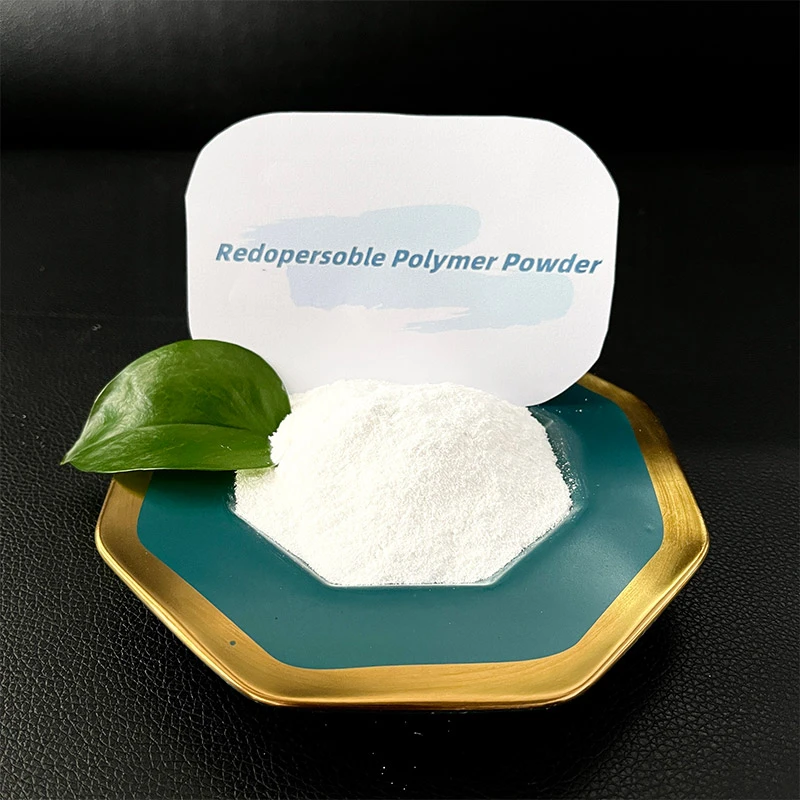
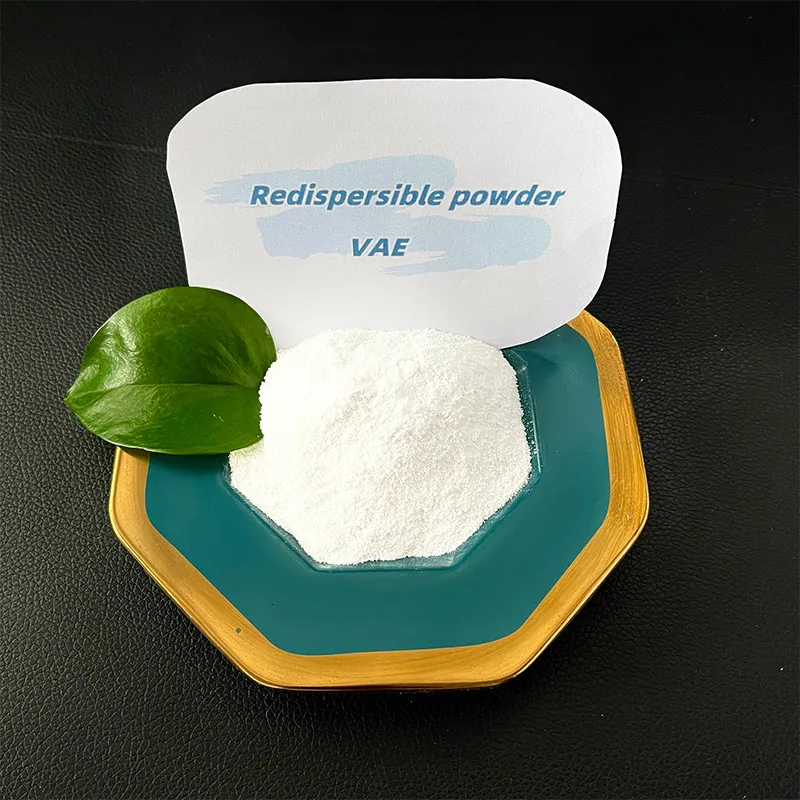
In modern construction and industrial applications, materials like redispersible polymer powder , vinyl acetate ethylene copolymer powder , and redispersible latex powder have transformed traditional practices. These advanced powders enhance performance, durability, and flexibility, enabling industries to meet contemporary demands. Meanwhile, innovations such as LDPE powder add to the versatility of polymer technology. Redispersible Polymer Powder: Enhancing Construction Efficiency Redispersible polymer powder is a key ingredient in cementitious and gypsum-based products, offering superior binding and flexibility. It works by redistributing when mixed with water, forming a film that strengthens mortar, adhesives, and plasters. The powder’s ability to improve adhesion, flexibility, and water resistance has made it indispensable in modern construction projects. Contractors rely on redispersible polymer powder to enhance tile adhesives, self-leveling compounds, and external insulation systems. Its easy integration into dry mix formulations simplifies production and application, making it a go-to solution for efficient and durable results. Vinyl Acetate Ethylene Copolymer Powder: The Backbone of Flexibility Among advanced construction materials, vinyl acetate ethylene copolymer powder stands out for its unique properties. This versatile copolymer enhances the performance of construction products by providing improved elasticity, adhesion, and crack resistance. Its ability to act as a stabilizing agent makes it ideal for applications like waterproofing membranes, grouts, and render systems. The synergy between vinyl acetate ethylene copolymer powder and other components, such as cement, creates durable and flexible formulations. By selecting high-quality redispersible polymer powder , which often includes this copolymer, manufacturers can meet the growing demands of the construction industry for more sustainable and reliable products. Redispersible Latex Powder: Versatility Across Applications For manufacturers seeking a material that offers multi-functional benefits, redispersible latex powder is an excellent choice. This innovative powder improves water retention, adhesion, and flexibility in a wide range of products, including tile adhesives, mortars, and sealants. Its redispersible nature makes it easy to transport and mix, streamlining the manufacturing process. In addition to its construction applications, redispersible latex powder plays a role in other industries, such as textiles and coatings. Its compatibility with various additives allows for customization, enabling businesses to create tailored solutions that meet specific needs. With its reliability and ease of use, redispersible latex powder remains a trusted material across sectors. LDPE Powder: Expanding Polymer Applications Complementing the benefits of redispersible polymer powder is LDPE powder , a material known for its flexibility and chemical resistance. Low-density polyethylene (LDPE) in powdered form offers a range of applications, from industrial coatings to plastic manufacturing. Its ability to enhance surface smoothness and impact resistance makes it a valuable addition to diverse industries. In construction, LDPE powder is often used to improve the performance of paints, adhesives, and waterproofing products. Its lightweight and non-toxic nature further contribute to its popularity. When combined with vinyl acetate ethylene copolymer powder or redispersible latex powder , it creates synergistic effects that maximize the durability and efficiency of the final product. Why Choose Redispersible Polymer Powder for Your Needs? Investing in high-quality redispersible polymer powder ensures improved performance and efficiency across various applications. Its ability to strengthen and enhance flexibility makes it an essential material in construction, while its compatibility with innovations like vinyl acetate ethylene copolymer powder and redispersible latex powder expands its versatility. For industries looking to optimize processes and products, materials such as LDPE powder provide additional opportunities for innovation. By leveraging the strengths of these advanced polymers, businesses can create solutions that are both cost-effective and environmentally friendly. Embrace the future of construction and manufacturing with redispersible polymer powder , vinyl acetate ethylene copolymer powder , and LDPE powder . These cutting-edge materials are paving the way for stronger, more sustainable, and more versatile products.
advantages
-

200000 Viscosities
Excellent product
We can produce pure products up to 200,000 viscosities
-

40000 tons
High yield
We don’t stop production all year round, and the annual output can reach 40,000 tons
-

24 hours
Quality service
We provide 24-hours online reception service, welcome to consult at any time
———— Inquiry Form
Schedule A services
-
 hydroxypropyl_methylcellulose_for_skin
Oct . 25, 2025
Unlocking the Benefits of Purchasing HPMC A Comprehensive Guide Hydroxypropyl Methylcellulose (HPMC) -
 high-performance_environment-friendly_rubber_powder_customized
Oct . 25, 2025
Hydroxymethyl cellulose , often encountered in its more prevalent derivative form hydroxypropyl meth -
 hydroxypropyl_starch_phosphate_curly_hair
Oct . 25, 2025
Hydroxypropyl Methylcellulose (HPMC) has become an indispensable component in various industries due


